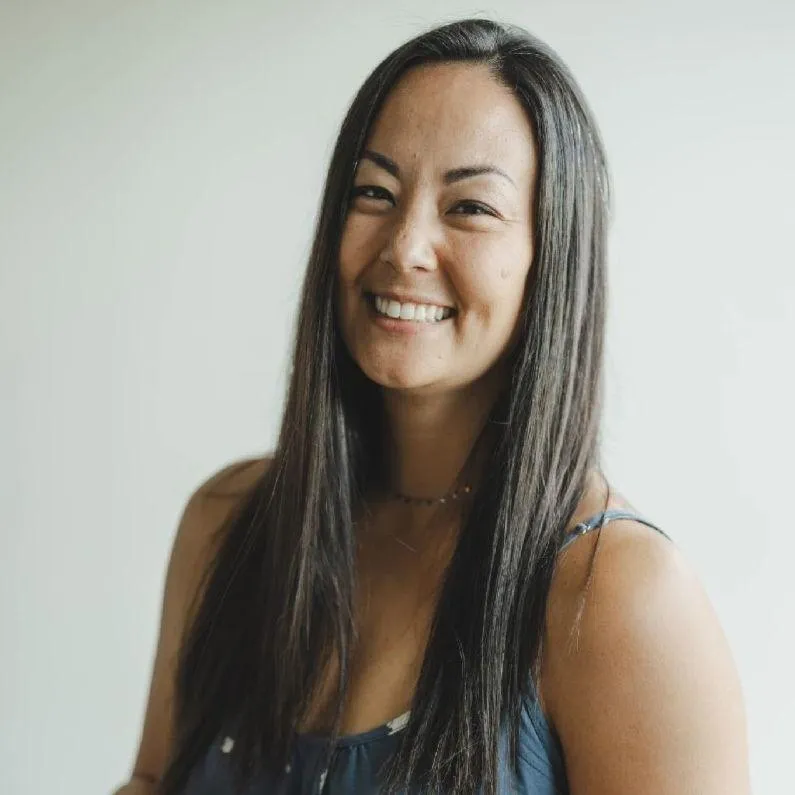
Hi, I'm Kim Holloway. And I'm built different.
Hi, I'm Kim Holloway. And I'm built different.
I've always been fascinated by relationships, mostly because I was very bad at them. So I spent a lot of my life trying to understand just how two people who love each other so deeply can still end up feeling lonely, defensive, unseen, or completely exhausted by the person they most want to feel close to. I knew I wasn't perfect, but I still consistently thought my partners were the bulk of the problem.
Some of them were, indeed, quite problematic. But why did I keep choosing them? Admittedly, the common denominator in all these terrible dynamics was me. So after I hit a couple of broken-hearted rock bottom, I knew I had to do something different. I signed up for several different kinds of coaching and therapy. I did a lot of deep work, tried things on, threw some things out, threw a few tantrums, backslid, came back... made mistakes, tried, failed, and just kept going.
Let me tell you... it was not fun. And now, I want it to be easier for everyone.
My coaching has been shaped by years of studying relationships from different angles. I'm trained in life and relationship coaching, somatic sex and intimacy coaching, and Relational Life Therapy (RLT, Terry Real), along with years spent learning about attachment, nervous systems, sex, intimacy, trauma, inner child work, and human behavior. Every one of those perspectives has given me another piece of the puzzle, and they've all found their way into the way I work with couples – and the way I live my life as a mom, a partner, and a friend.
This work is my life blood. It saved me. And I want nothing more than to help you and your partner become the wise, connected, cherished, and oh-so-generously loving humans you were born to be together.
I say I'm built different, because I will say what needs to be said, clearly and directly, with all the love in my heart, to help you overcome what's blocking the connection in your relationship – because I believe love can win. And many practitioners just won't do that.
"Kim is the real deal. You know she's coming from a place of love, but she'll tell you like it is. And somehow, you don't mind it, because she walks the walk right beside you." ~ Jani M.
What's coaching really like?
When a couple sits down with me for the first time, they're usually carrying a lot of pain. Sometimes they're angry. Sometimes they're discouraged. Sometimes one person is convinced the other just doesn't care anymore. Underneath all of that, though, I almost always find two people who are doing the best they can with the tools, experiences, and protective strategies they've learned over a lifetime.
Most often, those strategies that helped them navigate other parts of life are not serving the relationship. But to adjust those knee-jerk ways of being takes more than just will power. It takes a journey back to the time when you first learned them. And that's where the transformational work begins.
One of the things I love most about this work is watching couples begin to understand each other in a new way – they start seeing things they couldn't see before. They begin recognizing the moments where fear quietly takes over, where old stories slip into present-day conversations, or where a bid for connection accidentally lands as criticism. Once those moments become visible, couples have choices they didn't have before. But we don't just talk about it:
We do experiential healing work, co-regulation, and re-write your conflict choreography during our sessions, on-the-spot. You don't leave your sessions having processed a bunch of head knowledge, you leave with real, felt, embodied experience of something different.
For a long time, I thought helping couples meant teaching them how to communicate more effectively. I still think communication matters. We absolutely need words. But over the years I've found myself becoming much more interested in what happens before the words ever leave our mouths.
What are we protecting?
What are we assuming?
What are we afraid might happen if we tell the truth?
Those questions tend to lead somewhere much more interesting than, "What's the perfect thing to say?"
If you've spent any time following my work, you've probably noticed that I'm less interested in giving advice than I am in helping people understand what's actually happening beneath the surface. I don't think most couples need another list of communication tips. I think they're hungry for someone to help make sense of an experience that has started feeling confusing and hopeless. That's what I hope to offer. A place where both people feel deeply seen, where honesty matters more than blame, and where we're willing to slow things down enough to understand the relationship that's been quietly unfolding underneath the one you thought you were arguing about.
I don't expect perfection from the couples I work with. I certainly don't expect it from myself. I do believe people can grow. I believe relationships can heal in ways that surprise us. I've been there. And I believe that being deeply known by another imperfect human being is one of the most meaningful experiences we'll ever have.
If that's the kind of relationship you're hoping to create, I'd be honored to help you get there.
The secret most people have yet to discover?
Real love isn't about perfection. It's about presence.
When you learn how to regulate, communicate vulnerably, and own your part,
everything changes.
Resentment fades. Closeness returns.
And you finally remember what it feels like to be on the same team again.
That's why I created Relationship Reset: a coaching journey designed to help long-term, committed couples heal old patterns, feel emotionally safe, and enjoy their love.
WhAT ARE PEOPLE SAYING AFTER RELATIONSHIP RESET?
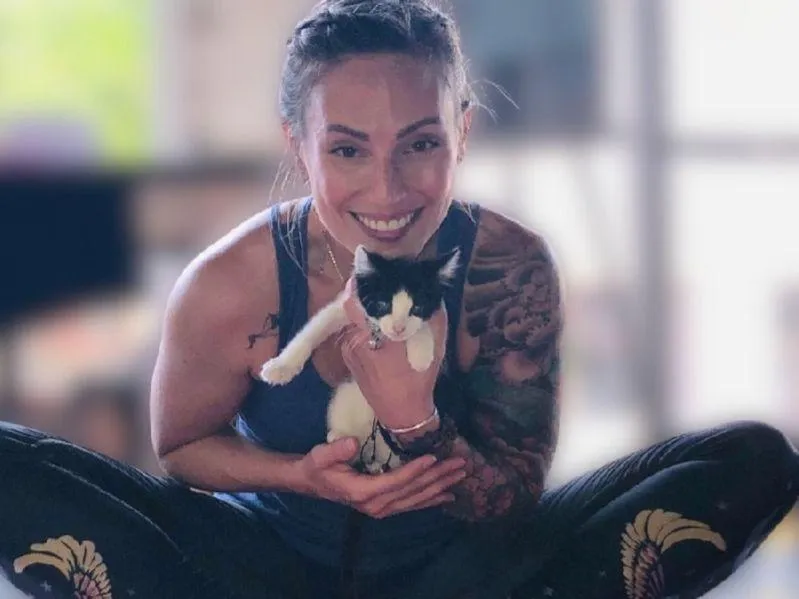
After a very turbulent relationship, it felt impossible to understand and manage so many heavy emotions. Kim helped me learn to fully express and embrace my emotions ... She guided me into deeper awareness and how to let my feelings move through me. I felt so clear after our sessions, with far more capacity and strength moving forward.
~ Jessie G

Coach Kim completely shifted our perspective. After 20 years together, we had built up a lot of resentment and weren't sure if our connection was salvageable. She taught us how to talk about the hard things in a way that actually brings us closer. We repaired the old hurts, our connection is deeper, and we're way better at caring for each other.
~ S & D