Attachment Part 1: When Distance Feels Terrifying
Back to Relationship Reset Coaching Home
“Until you make the unconscious conscious, it will direct your life, and you will call it fate." ~ Carl Jung
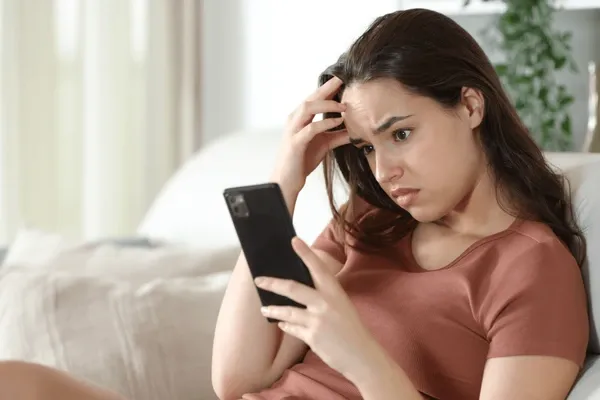
Some of us experience distance in relationships as mildly uncomfortable... while others of us experience it like the world is ENDING.
A delayed text. A shift in tone. A partner seeming distracted, withdrawn, irritated, less affectionate, less available. Suddenly the whole nervous system lights up.
What’s wrong?
Are we okay?
Did I do something?
Are they pulling away?
Do they still love me?
If this is ever you, it's tempting to feel like you're being dramatic or needy or “too much.”
But honestly, I think what's underneath it is usually something much more human... a terrified part of someone that learned, somewhere along the way, that connection equals safety…
but disconnection equals danger.
In the language of attachment styles, most people would call this 'anxious attachment' or 'anxious-preoccupied' attachment. In RLT (Relational Life Therapy, developed by Terry Real), we call it “love dependency".
And it's not so much about someone being manipulative or crazy... it's about feeling scared. Hypervigilant. Hungry for reassurance. Desperate to feel emotionally secure again.
Which often means using strategies to get that reassurance in ways that are more likely to push people further away than they are to keep them close.
I know because I’ve absolutely lived this.
Years ago, when I felt disconnected or uncertain in a relationship, my entire body would orient toward trying to restore closeness immediately. I wanted to process. Talk. Clarify. Fix. Reconnect NOW. And if that didn’t happen fast enough, I’d start spiraling emotionally.
I wasn’t thinking:
“How can I manipulate this person?”
I was thinking:
“Oh no. Something feels wrong and I don’t know how to feel okay again until we’re okay again.”
But while my intention may sound understandable when explained this way, it can still become exhausting for the other person.
Because all that anxious pursuit... the ongoing texting, the constant checking in, the over-explaining, the emotional urgency, the need for constant reassurance just to feel settled... can feel like pressure to another person.
It may work temporarily. They reassure you. They pull you close. They tell you they love you. And for a moment, you exhale.
Until the next wobble... the next text that takes a little too long, or the next time their tone seems weird or something feels off...
And suddenly the nervous system crashes all over again.
One of the things Terry says in RLT is that some people unconsciously use relationships as a kind of “self-esteem dialysis machine.”
Meaning: “I need your warm regard of me in order to feel okay about me.”
And whew. I think a lot of us know exactly what that feels like: When your partner is loving and connected, you feel whole, safe, lovable, grounded.
And when they pull away, even slightly, it can feel like all the goodness drains out of the room.
Most people who struggle with this have some version of early life experiences where they were not reliably emotionally met. Maybe love felt inconsistent. Maybe connection disappeared unexpectedly. Maybe they learned very early that closeness could vanish, or that they had to work very hard to keep it.
Some people would call this an abandonment wound.
And whatever language you use for it, it can make it incredibly hard to feel safe in adult relationships when we imagine the person we love could be pulling away… whether they actually are or not.
That’s why people can feel so desperate in relationships sometimes. They’re not just fighting for connection. Somewhere deep down, they’re fighting for emotional survival.
I'm not a fan of shaming people for this struggle instead of helping them through it. None of this is too much, too emotional, or too needy. In fact, it all makes perfect sense once you understand the fear underneath it.
The real issue here is just that reassurance from another person can never fully heal abandonment inside of us. It can soothe it temporarily. Absolutely. Healthy reassurance matters. Loving connection matters.
But if our entire sense of safety and worth lives in another person’s hands, relationships become terrifying. Every little wobble starts feeling catastrophic.
So the healing work starts inside of us. It becomes learning how to create more steadiness inside ourselves.
Learning how to remember:
I still exist when someone is upset with me.
I still have worth when someone pulls away.
I can survive discomfort without frantically trying to fix it immediately.
I can soothe and care for myself too.
One of the practices we teach in RLT for this is something called “remembering abundance.” Basically, remembering that another person is not the sole source of all love, goodness, safety, beauty, or okayness in the universe.
Your partner did not walk away with all the abundance in existence because they got quiet for a few hours.
There is still warmth.
Still life.
Still goodness.
Still support.
Still breath in your body.
[ Can you pause to notice that all of that is here, right now, in this moment? ]
That's the true shift that changes relationships profoundly – discovering that what you are looking for is available in abundance, no matter what your partner is doing. This makes you more capable of genuine intimacy – choosing each other and enjoying each other, not desperately clawing or clinging onto someone for safety or love. You begin to source safety from within, from right where you are.
And just to be clear, none of this means becoming cold or hyper-independent or pretending you don’t need people. We absolutely need people. We need love and reassurance and affection and care.
The goal is not “never need anything.” The goal is learning how to love someone deeply without handing them total responsibility for your emotional survival.
That’s the movement toward relational health.
And let's be real – we are human. We're all going to move in and out of relational health every now and again. We all wobble.
So there's an opprtunity here to hold yourself and your partner with a little more compassion.
If you’re the more love dependent/anxious one, you’re probably not “crazy.” And if you’re partnered with someone more love avoidant, they’re probably not trying to ruin your life.
Usually there’s just a scared nervous system underneath all of it, trying very hard to handle connection using the only strategies it has ever known.
If this dynamic feels familiar in your relationship, you’re welcome to email me directly. I open up a few spots every week where I’ll personally respond to a handful of people with a voice note of support and guidance.
E-mail (remove the spaces): kim @ relationshipresetcoaching.com
Ready to go deeper?
If you’re tired of feeling stuck in the same patterns and you want deeper support learning how to reconnect … schedule a 30-min clarity call.